Making Our Own Rotating Barrel Composter

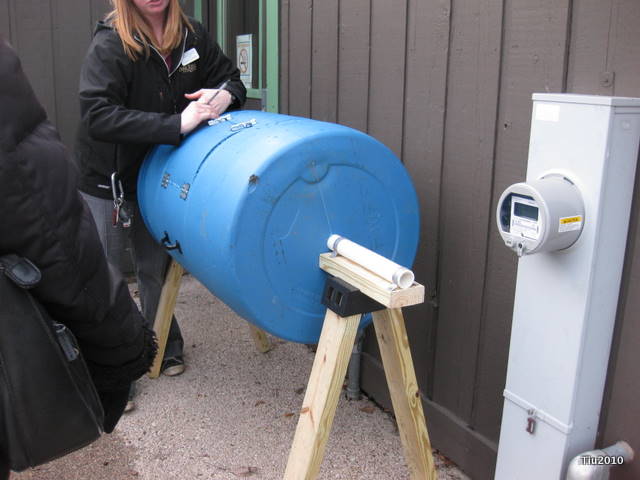
Example barrel composter at class

** NOTE ** In an effort to get this posted quickly, I may not have all the dimensions, products or resources listed as I would like to. I’ll come back and update. I promise!

In trying to be more “green” at home, I finally finished putting our compost barrel together. Of all the recycling-earth friendly things we’ve started to do here, I’m most excited about this, but it probably shouldn’t have taken as long as it did. I started it in March at our local park district. (Embarrassed, yes.) Since I wasn’t able to stay for the whole class (1-1/2 hours), I jsut made sure I had all the pieces that were needed to finish and brought everything home. Of course, there was every intention to get it done on the first nice weekend, but that weekend went by, as did several others… and here we are today.

There have been a few inquiries about how to put it together. I was able to take a few pictures at class, which will hopefully be helpful with the instructions.

Materials needed

Legs

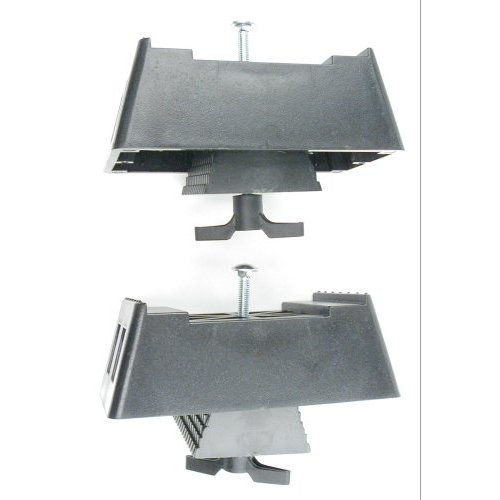
  • (2) Plastic sawhorse brackets (hardware included)
  • 4 pieces of 2×4 at 31″ to 32″ lengths each for legs
  • 2 pieces of 2×4 at 12″ each for pipe surface

Composter

  • (1) Food grade plastic barrel
  • (2) hinges
  • (2) barrel bolts
  • (2) pull handles
  • (1) 1-1/2″ diameter PVC pipe – 60″ length
  • (4) 1-1/4″ EMT/pipe brackets
  • several wire nuts to cap off screws

Equipment

  • Jigsaw
  • Hammer
  • Tape measure/ruler
  • Hole drill bit
  • Power drill (cordless is easier, but not necessary)
  • Drill bits
  • Permanent marker

Making the stands

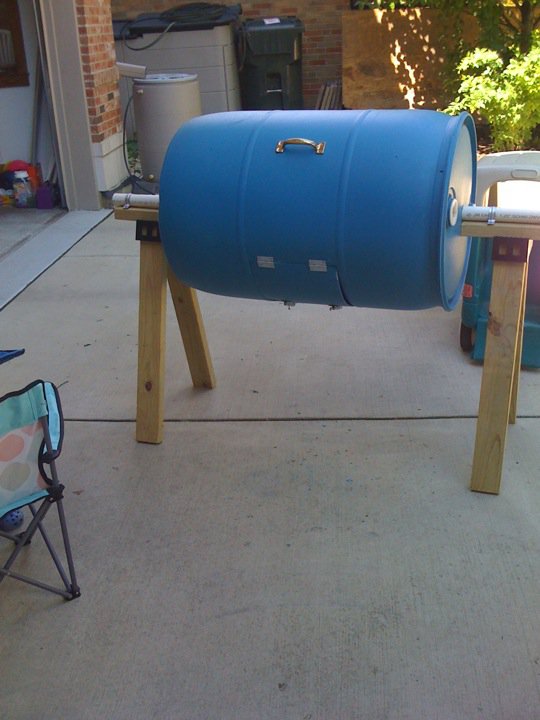
This was essentially like making legs for a sawhorse except I didn’t place a long 2×4 across the legs. Instead I used two small pieces of 2×4. (See the pictures above and below of the finished barrel.)

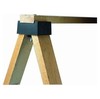
Find the center of the 12″-2×4 and drill a hole to fit the bracket bolt. Center the sawhorse bracket on hole and hammer it down in place. Take the piece and place it on the sawhorse bracket. Take your assembly and put it on the ground upside down (ready to receive the legs). Insert leg pieces into the bracket/holders, hammer to secure, then place center support piece in the middle and tighten bolt. It may help to have someone steady the legs.
Preparing the barrel
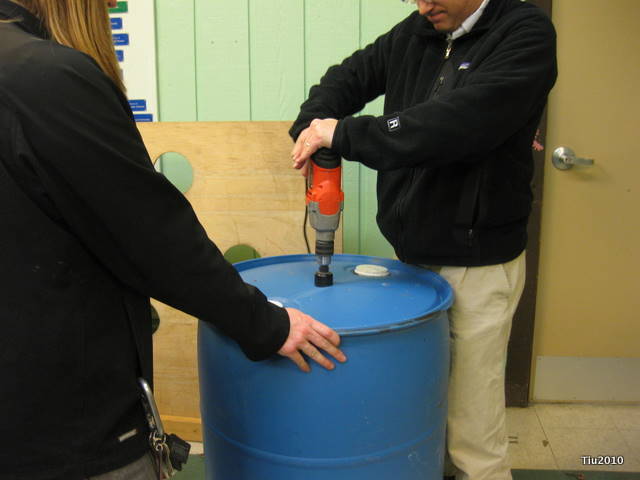
On barrel ends, mark the centers. Drill a hole on both ends large enough for the 60″ PVC pipe.

Cutting the door

The door will be approximately 11″ x 11″. Your barrel may have seams (ribs or lines) that will be helpful for marking. From rib to rib on my barrel, I have 11 inches. I marked a square accordingly.

Before cutting the door, install the hinges and barrel bolts so that the door piece wouldn’t fall in after you cut it. To have the door open up like a trash chute, the barrel bolts are on top and the hinges are on the bottom. Place the pieces in position (no real measurements here) and traces locations and holes. Predrill all your holes with a small bit (5/16″ worked well) – it makes life so much easier!

At this point, take the jigsaw and cut ONLY at the hinge and bolt locations (4 cuts). Make sure your cuts go slightly past the hardware so you have somewhere for the jigsaw to start easily when you cut the rest of the square. Then install the hinges and bolts by hand making sure not to strip the screws (that’s actually me in the picture).
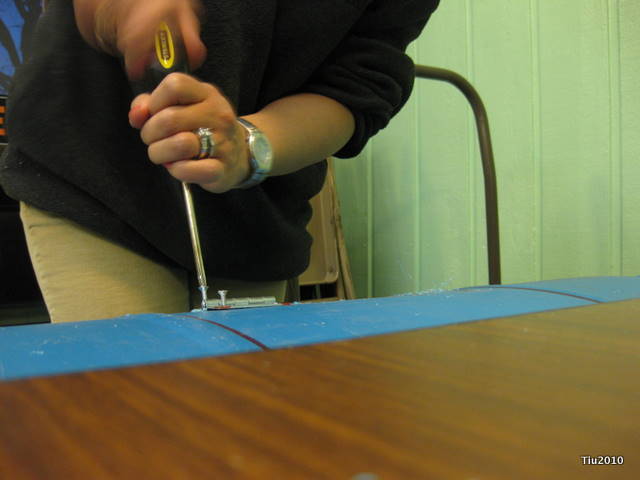
Cut out the rest of the square. After it’s finished, open the door to check if everything is cut correctly.

Install the two pull handles the same way, marking its location and predrilling holes. Basically, the pulls go on opposite sides of the barrel, above and below the door.

Using wire nuts, I cover all the screws on the inside.

Lastly, drill a number of random holes all around the barrel… but not through the door (plenty of air space around there).
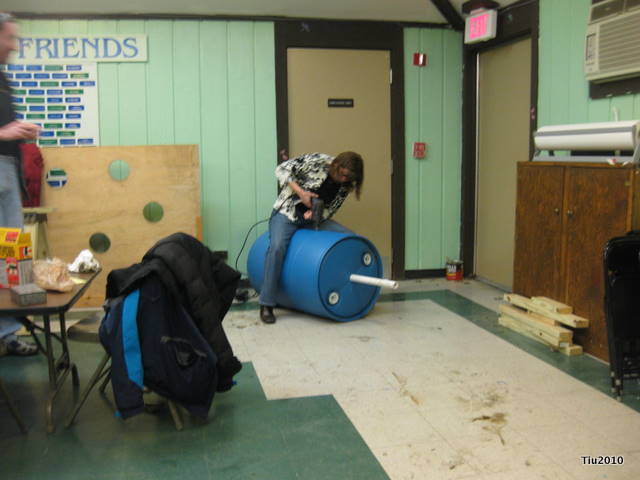
Mounting the composter on the stands
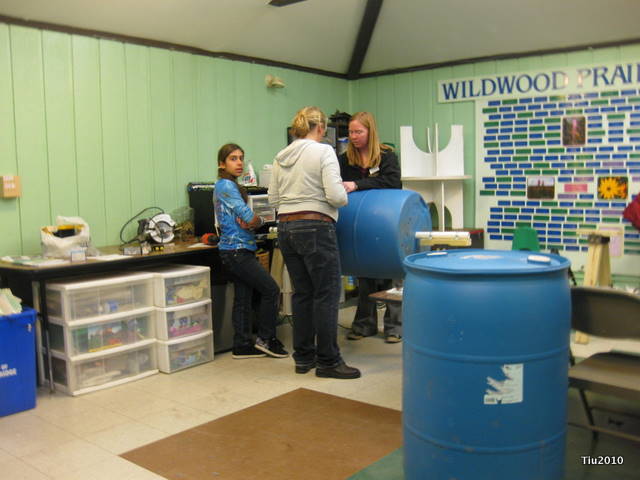
Place your PVC pipe through the barrel. That’s the easy part.

It helps to have friends around for placing the barrel, but I was able to have my two kids hold the legs/stands upright and in place, while I maneuvered the barrel holding on to the pull handle.  Once you get the PVC pipe on the legs, take a couple of pipe brackets and secure to the 2×4. I had to angle the screws in a bit. They were slightly long, and would have gone through the 2×4 had I drilled straight down. As it is, you want to angle the screws in, to make sure the brackets are tight against the pipe when you secure it to the wood.
What to Compost

  • Coffee grounds
  • Tea leaves/bags
  • Eggshells
  • Fruit and vegetable scraps (I’ve been told that banana peels, orange peels and peaches have high levels of pesticides, so don’t compost them if you’re going to use your “black gold” to grow food.)
  • Shredded newspaper (for carbon)
  • Leaves, straw, hay, grass clippings

Do Not Compost

  • Deadly weeds
  • Diseased plants
  • Human or pet waste
  • Meat/fish scraps or bones
  • Oily/fatty food products
  • Dairy products
  • Chemically treated wood products
Paper Folding on the Airplane

On the return flight home, I was feeling a little fidgety. No crafting for about two weeks… but since I went to Urban Craft Uprising and saw lots of handmade goods around Granville Island, Canada, I was antsy. So, to pass the time, I started thumbing through the airline magazine. The semi-finished sudoku and crossword puzzles didn’t capture my attention that much, and I had read through the steakhouse directory too many times. Onward to the Sky Mall magazine! I enjoy virtual shopping as much as anyone else especially when one magazine has business books-on-tape, concrete garden fountains and pet gear under the same cover.

But that didn’t last too long either… without scissors, glue, knitting needles, or even a crochet hook, what was a girl to do? (Incidentally, these are all probably unsafe or inappropriate things to bring on a plane now.)

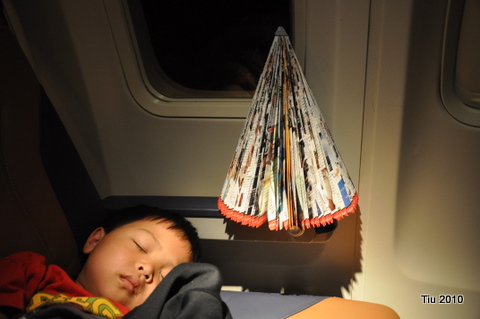
I made a paper tree! Actually I made two: one on the way to Phoenix and the one in the picture was on the way home. I both cases I left them on the plane. Someone (cleaning crew, probably) might have found it interesting, or at the very least, amusing? My husband called me the “(paper) tree bandit”. I thought of it as free art. Want to make some on your next plane ride? It’s really easy, and the instructions are here.

Pillowcases – Another Project to Check Off

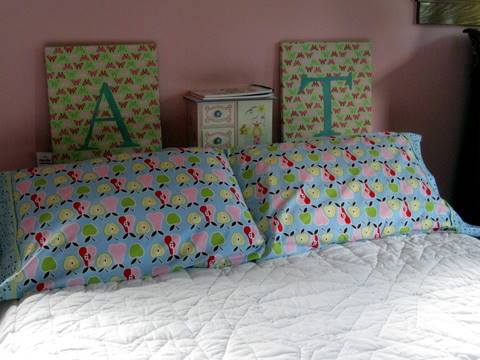
I finally finished these pillowcases, and taught myself how to do French seams from the Pretty quick pillowcase tutorial (& bonus french seam instructions) at Film in the Fridge. Think of the possibilities for the holidays?! I may be busy sewing for the next few months.

Notice anything? The design is upside down on the left hand pillow. Yes, lesson learned. Now I know what one of the tutorials meant by “good with non-directional prints”. I didn’t really stop to see how it was going to look. Abby didn’t seem to mind. She said, “That’s okay, Mom.” What a relief. Besides that, I turned the main fabric (apple print) 90 degrees contrary to what most of the tutorials showed. I don’t know if it matters. It’s just that if I didn’t, the apples would be sideways, and that’s not really what my daughter wanted.

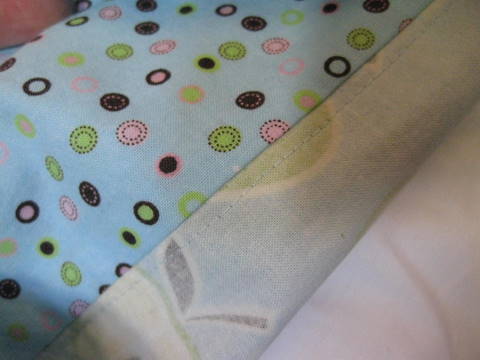
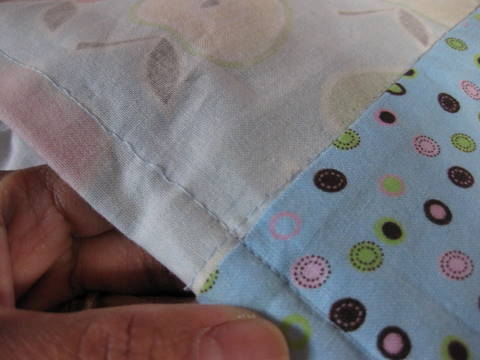
Here’s a detail of the cuff from the inside. Nice and clean.

Basically, what you see right-side out is normal. What you see when the pillowcase is turned inside-out is this: the French seam. No raw edges.

Looking to add something to your list of projects? Here are some more sites that I scouted:

Tutorial: Newspaper Seedling Pots and Cardboard Garden Tray

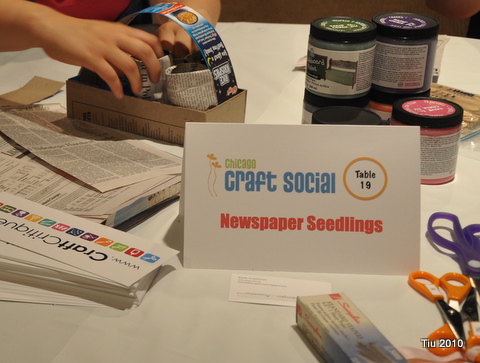
It was another awesome time at the Chicago Craft Social last Friday night! I’m writing about the event on Craft Critique, so here we’ll just focus on this cool, recycle/upcycle project.

(Update: The event review is posted on Craft Critique now.)

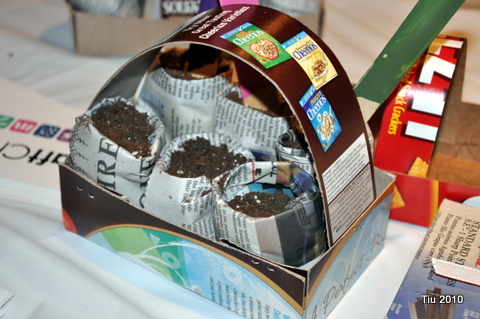
Leading this table was a lot of fun, and I promised some new crafty friends that I would have instructions posted on this very simple eco-friendly outdoorsy project. Though it may be a little late in the season, I might start some vegetable seedlings for late summer/early fall planting. What I love about the pots is that there’s no adhesive, and you can plant the whole thing in the ground once your seedlings are established.

The newspaper seedling pots: newspaper and scissors

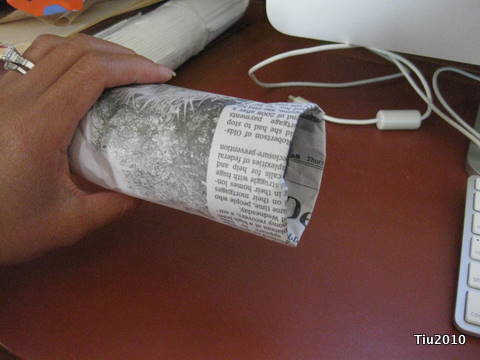
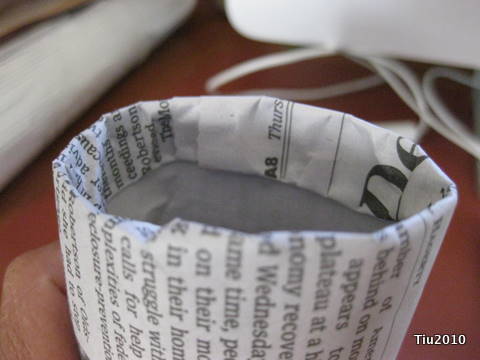
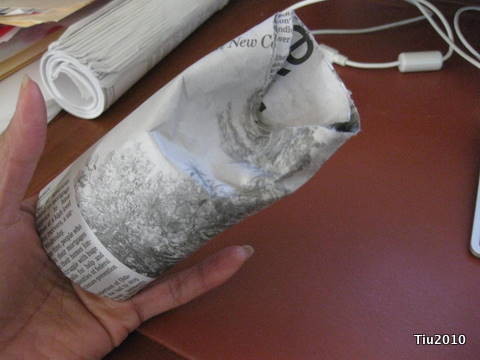
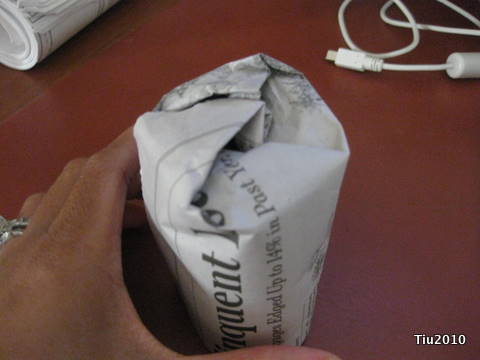
I didn’t use any forms or jars to form my pots, but there are certainly products out there that are sold at your local garden shop for not a lot of money. I took full sheets of newspaper and cut them in half, then half again (quarter-pages). Using two quarter sheets, roll them up like toilet paper roll size.

Fold one end of the tub into itself (about 1/4″ to 1/2″) and press. Repeat. Folding over a few times will give the pot some structure, a little collar of sorts.

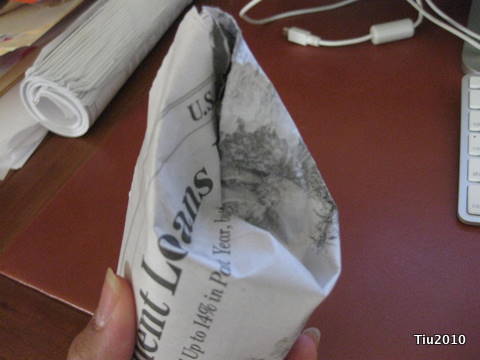
Now the tricky party: the bottom. I place the tube over my fingers like a puppet and just start folding the bottom into itself, as if I’m wrapping a cylindrical gift.

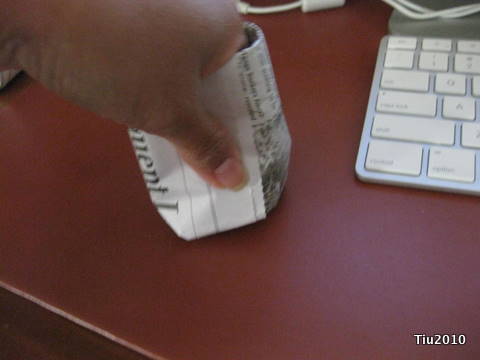
Eventually, you end up with a triangular little piece of paper, and that can get tucked in. Actually, I smash it onto the table to help get the folds to stay. No adhesives.

This isn’t going to look super neat, but I figure, after you’ve filled the pot with soil, and you’ve started watering your seedling, the paper is going to stick to itself after getting wet.

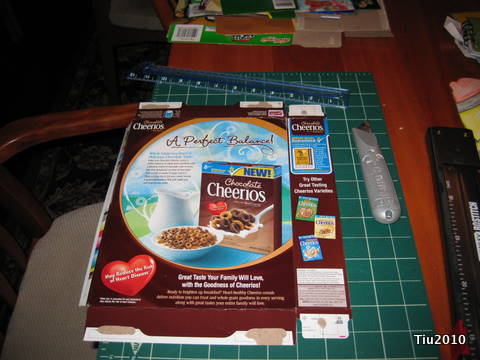
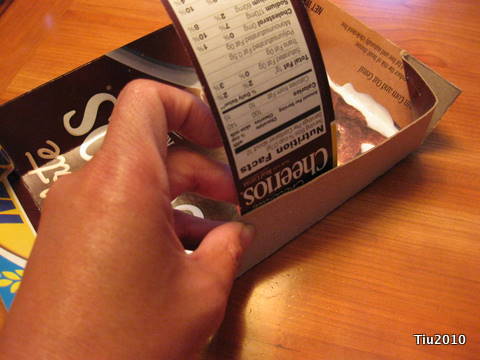
Now the tray: cardboard, cereal boxes, snack boxes, ruler, cutting mat, rotary cutter or utility knife, bone folder (optional)

The tray was just something simple for crafters to carry their pots home, but think of the possibilities with kids and a little paint or stickers! You can use any cardboard box, like cereal and snack boxes. One box will make two trays. So, cut apart your box: front, back, two sides.

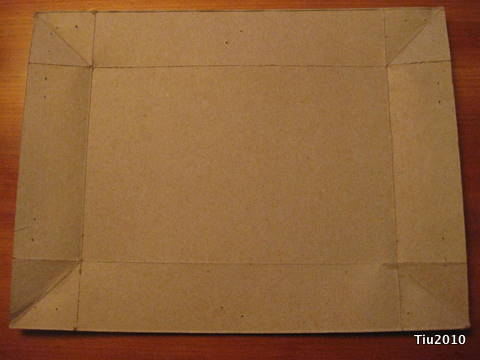
Take your large rectangular piece and measure 1-1/2″ to 2″ from each side – the width is up to you. Then using a straight edge, make a line from outside corner to “inside” corner. Score (not cut) on these lines.

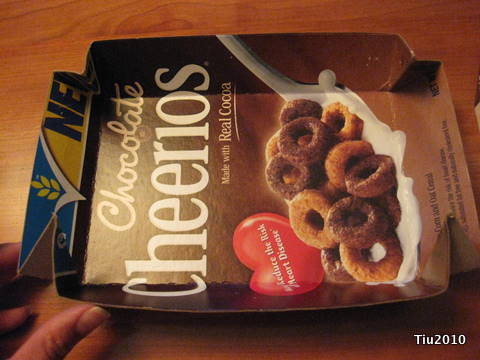
At this point, you should be able to fold the cardboard and start forming the tray. The diagonal lines can be “pushed” into the tray. This then gets stapled to the tray side (doesn’t matter which side).

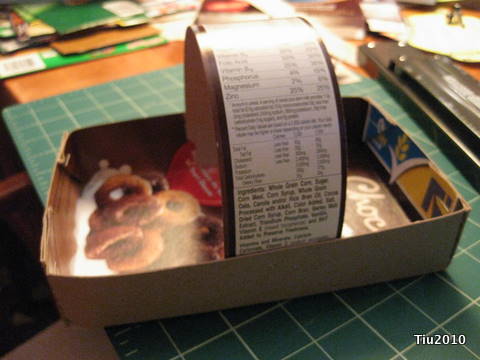
Use a box edge to create the handle… just staple onto the tray.

The tray below has a 1-1/2″ edge. The 2″ tray looks is shown at the beginning of this post and here at my friend’s blog, “Our Tiny Oak Park Bungalow“.

***

Looking for more crafting, my review on Xyron’s Creatopia machine is posted at Craft Critique (disclaimer). This machine is amazing! Check out all six articles, and there’s a great giveaway that ends on Saturday, June 26! Good luck!

Collage Project: Flooring Catalog

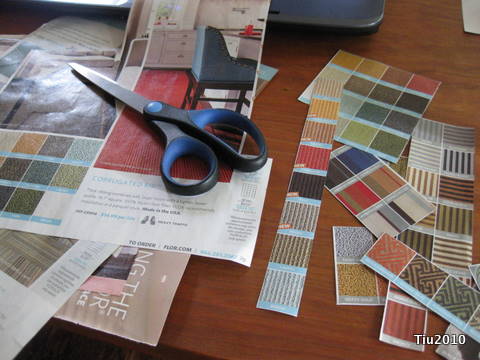
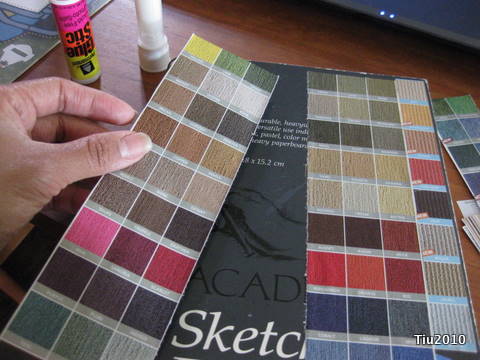
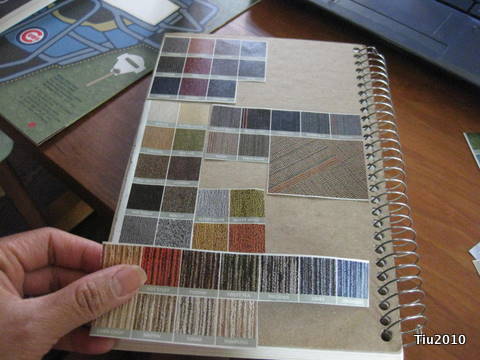
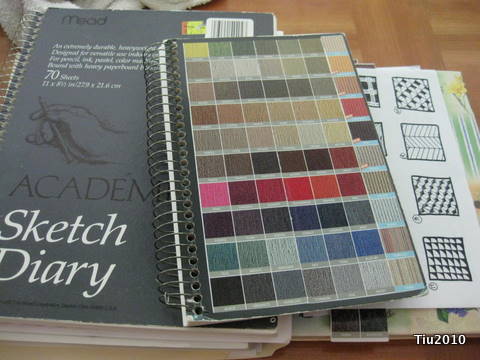
Magazines and catalogs are sometimes the best sources of inspiration, especially when I see tons of little colored squares in a particular carpet tile catalog (we actually used these tiles in our basement).  I was itching to do a collage project and finally broke out the scissors. The tiles would be perfect for covering up one of my sketch books.

Since the squares were all uniform in size, piecing it together was easy… like a cut-and-paste Tetris game! I’d like to do one coat of Mod Podge on the front and back covers soon, and I have enough cut-outs to cover my larger sketch book another time.

Celebrating a Friend’s Engagement

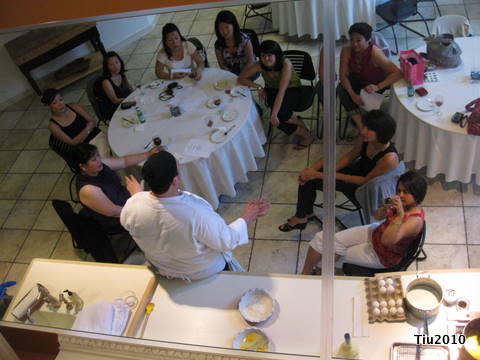
How could you not have fun with a bunch of girlfriends at a cooking class and then karaoke in a private room belting out hits from the 1980’s? There were plenty of treats for us at dinner, and unfortunately, I didn’t make time to bake up a batch of cookies to share. (I really wanted to.)

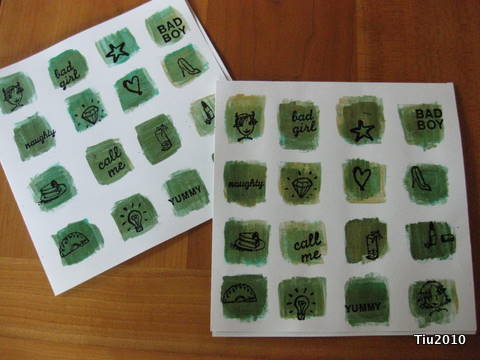
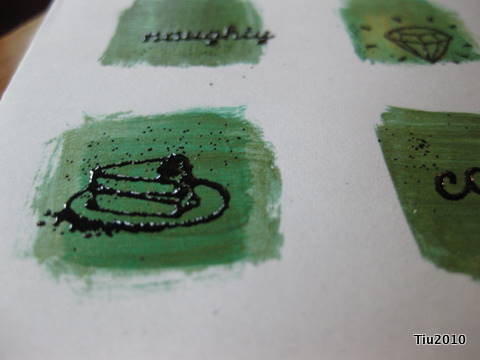
I did make this card for my friend.

Borrowing a line from a Las Vegas commercial, I wrote this in the card, “What happens at the bachelorette party, stays with the bachelorette party.” So with that, I won’t go much into the weekend details (no big debauchery, really), but I’ll say it was so much fun spending time with the ladies. I will share how to make the card!

What you need:

  • The Bad Girl’s stamp kit by Chronicle Books
  • 6″ x 6″ card – white cardstock
  • Two or three coordinating colors in acrylic paint – I used Lumiere paint to coordinate with the bride’s invitation. Feel free to experiment with other colors!
  • Black embossing powder
  • Miscellaneous supplies: paint brush, ink pad, and heat gun
  • I’m assuming there is general knowledge about embossing and rubber stamping… basic techniques can be found by searching for “rubber stamping basic embossing technique“.
  1. If you need guidelines, then use your ruler and lightly pencil out a grid, evenly dividing the card into 16 spaces. I did not do this… just eyeballed the spacing to give it a handcrafted feel.
  2. I then took drops of each color and placed on a foam plate (palette) to mix the colors a bit. This is all very free-range art; mix as much or as little as you want. I like it lightly mixed so you can still see different colors.
  3. Paint 16 squares on your card front, preferably free hand. The squares don’t have to be perfect. Let dry.
  4. When paint is dry, stamp your images within the square. Again, I went for a freehand look and did not align the images in a certain orientation. Off-center is fun and quirky!
  5. NOTE: I stamped four images and then dusted with embossing powder.
  6. Once your card is all dusted with embossing powder and you’ve tapped off the excess, turn up your heat gun and make some embossing magic!

Voila! It’s done and ready for your personal note for your bride-to-be pal.

Related Posts with Thumbnails